

Choosing new flooring is one of the biggest design decisions you’ll make during a renovation or new build. Flooring covers a large portion of your home, influencing everything from how spacious a room feels to how well it complements your furniture and décor. Among the most common questions homeowners ask is whether they should choose light or dark timber flooring.
Both options offer unique advantages, and the right choice depends on your home’s size, lighting, lifestyle, and preferred interior style. Understanding the differences can help you invest in flooring that remains attractive for years to come.
Light Flooring Creates An Open And Airy Feel
Light timber flooring has become increasingly popular in modern homes because it reflects natural light and creates a brighter, more spacious appearance.
Light tones often work particularly well in:
- Smaller rooms
- Apartments
- Homes with limited natural light
- Scandinavian and coastal interiors
- Contemporary minimalist spaces
Because lighter floors visually expand a room, they can make compact areas feel larger and more welcoming.
Dark Flooring Offers Timeless Sophistication
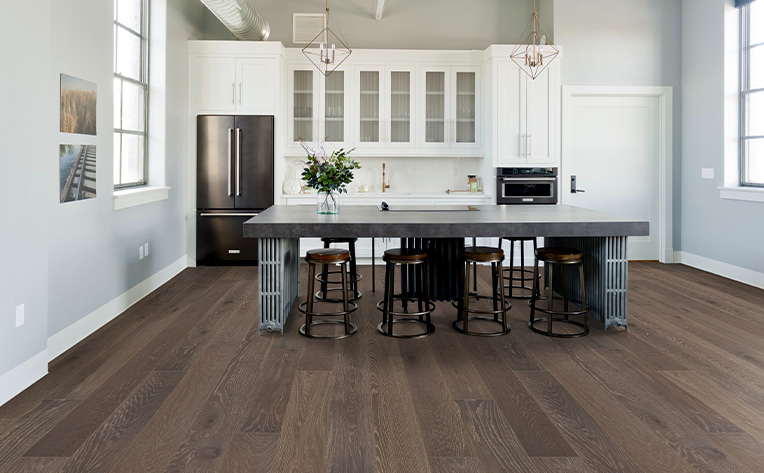
Dark timber flooring creates a completely different atmosphere. Rich tones add warmth, depth, and elegance while creating strong visual contrast with lighter walls and furnishings.
Many homeowners choose dark oak flooring as an alternative to pale toned floors because it delivers a classic appearance that complements both traditional and contemporary interiors.
Dark oak flooring is especially suited to:
- Large open-plan living areas
- Heritage homes
- Luxury interiors
- Executive offices
- Formal living spaces
Its rich appearance often becomes a standout design feature within the home.
Consider Your Home’s Natural Light
Natural lighting plays an important role when selecting flooring colour.
Homes with large windows and abundant sunlight can comfortably accommodate darker flooring without making rooms feel enclosed.
Conversely, darker flooring may make smaller or poorly lit rooms feel more compact if not balanced with lighter walls, ceilings, and furnishings.
Light flooring generally helps maximise brightness in rooms with limited natural light.
Maintenance Appearance Differs
Many homeowners assume dark flooring hides dirt better, but this is not always true.
Dark timber flooring may show:
- Dust
- Pet hair
- Light scratches
- Footprints
Light flooring tends to disguise:
- Everyday dust
- Minor surface marks
- Small scratches
However, very light flooring may make mud or darker debris more noticeable.
Maintenance preferences are worth considering alongside aesthetics.
Interior Style Should Guide Your Decision
Your overall design style can influence which flooring colour feels most appropriate.
Light flooring often complements:
- Coastal homes
- Scandinavian design
- Minimalist interiors
- Contemporary architecture
- Casual family living
Dark flooring often suits:
- Classic interiors
- Industrial spaces
- Modern luxury homes
- Traditional architecture
- Statement living areas
Choosing flooring that complements your furniture and colour palette creates a more cohesive interior.
Room Size Can Influence The Best Choice
Lighter flooring generally creates the illusion of larger rooms by reflecting more light.
Dark flooring adds visual depth but may make compact rooms appear smaller if not balanced with sufficient lighting and lighter décor.
This doesn’t mean dark flooring cannot work in smaller homes—it simply requires more thoughtful interior styling.
Long-Term Design Flexibility
Neutral timber flooring remains popular because it adapts well to changing design trends.
Both light and dark timber floors can support a wide variety of furniture styles, although light flooring tends to pair more easily with changing colour schemes over time.
Dark flooring offers timeless appeal but often creates stronger visual contrast, making furniture and wall colour selections more influential.
Lifestyle Matters Too
Households with children or pets should think about everyday practicality.
Busy family homes often benefit from finishes that minimise the appearance of everyday wear, while homeowners seeking a more formal or luxurious look may prioritise aesthetics over maintenance considerations.
The best flooring balances visual appeal with the realities of daily living.
Helpful Related Flooring Research
Homeowners may also benefit from exploring engineered timber flooring options, timber floor finishes, and flooring colour trends for modern Australian homes. Understanding how different timber species, finishes, and surface treatments perform can make it easier to choose flooring that suits both your lifestyle and interior design goals.
Final Thoughts
There is no universal “best” choice between light and dark flooring. The ideal option depends on your home’s lighting, room size, design style, maintenance preferences, and long-term vision.
Light flooring creates bright, spacious interiors with a relaxed and contemporary feel, while dark oak flooring as an alternative to pale toned floors offers timeless sophistication, warmth, and striking visual character.
By carefully considering both practical and aesthetic factors, homeowners can select flooring that not only enhances their home’s appearance today but also continues to add value and style well into the future.
