

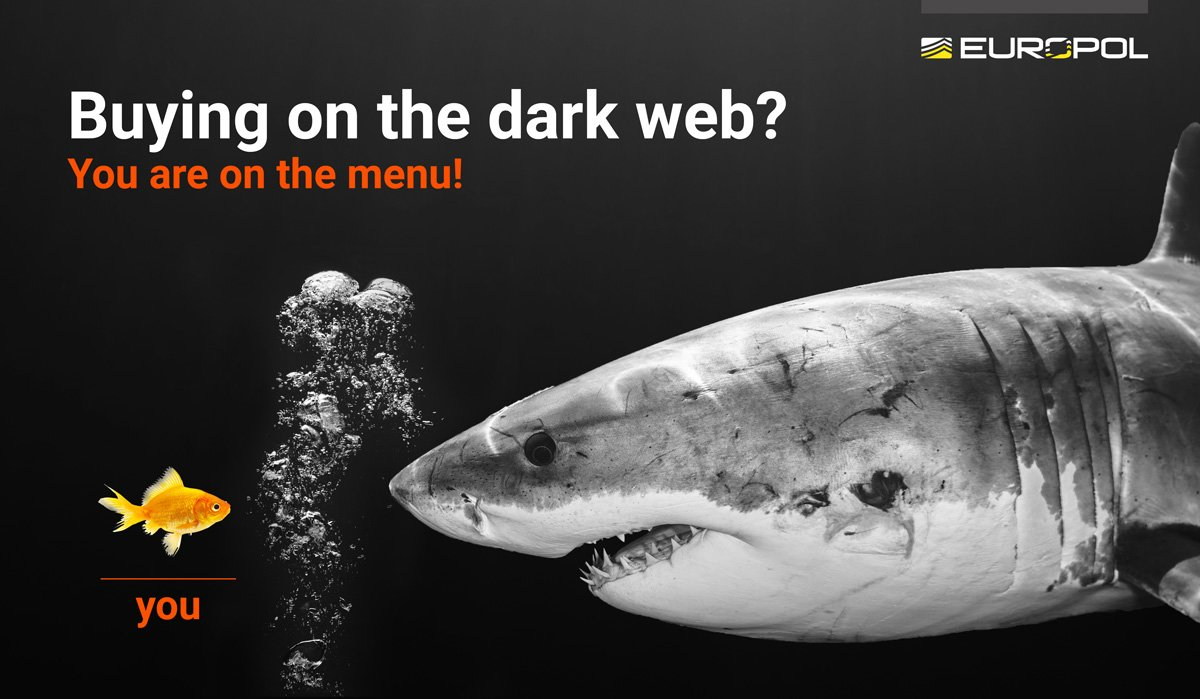
The digital economy has transformed how people shop, bank, and conduct business. Every day, millions of online transactions take place using credit cards, debit cards, and digital payment systems. While these technologies have made financial transactions faster and more convenient, they have also attracted cybercriminals seeking to profit from stolen financial information. One name that has appeared in cybersecurity discussions over the years is Sharkshop, an underground marketplace historically associated with the illegal trade of compromised payment card data and other sensitive information.
Although marketplaces like Sharkshop operate outside the law, cybersecurity researchers study them to better understand how cybercrime evolves and how organizations can strengthen their defenses. Rather than focusing on criminal activity itself, understanding the broader dark web economy provides valuable lessons about data protection, online security, and the importance of safeguarding financial information.
This article explores what Sharkshop represents, how stolen card data markets fit into the cybercrime ecosystem, the risks posed by data breaches, and the steps individuals and businesses can take to reduce cybersecurity threats.
What Is Sharkshop?
Sharkshop has been referenced in cybersecurity reports as an underground marketplace historically linked to the illegal exchange of stolen payment card information and other compromised digital data. Like many cybercrime marketplaces, it became part of a larger ecosystem where stolen information could be bought and sold among criminals.
These platforms highlight the reality that personal and financial data have significant value in criminal networks. Cybercriminals often obtain this information through phishing attacks, malware infections, compromised payment systems, or large-scale data breaches. Once stolen, the data may circulate across multiple underground marketplaces before eventually being used in fraudulent activities.
For legitimate businesses and internet users, Sharkshop serves as an example of why protecting sensitive information is essential in today’s interconnected world.
Understanding the Dark Web Economy
The dark web is a portion of the internet that is not indexed by traditional search engines and generally requires specialized software to access. While the dark web itself has lawful uses related to privacy and anonymity, some hidden services have historically been used for illegal activities, including the exchange of stolen information.
Within these underground economies, cybercriminals may attempt to monetize data obtained from unauthorized access to computer systems. Information exposed during cyberattacks can include payment card details, usernames, passwords, email addresses, and personal identification data.
Researchers and law enforcement agencies monitor these environments to identify emerging threats, investigate criminal activity, and improve cybersecurity awareness. Understanding how these markets operate helps security professionals anticipate future attack trends and strengthen protective measures.
Why Stolen Card Data Is Valuable
Payment card information remains one of the most sought-after forms of stolen data because it can potentially be exploited for financial fraud if card issuers and merchants do not detect and block unauthorized activity.
Beyond card numbers themselves, attackers may seek related information such as cardholder names, expiration dates, billing addresses, or compromised account credentials. Combined with other stolen data, this information can increase the risk of identity theft and unauthorized transactions.
Financial institutions invest heavily in fraud detection systems, transaction monitoring, and customer verification processes to reduce these risks. Nevertheless, preventing data theft at its source remains the most effective strategy.
How Payment Data Becomes Compromised
Understanding the common causes of payment data exposure helps businesses and consumers strengthen their cybersecurity practices.
Phishing Attacks
Cybercriminals frequently use phishing emails and fraudulent websites to trick users into revealing payment information or account credentials. These messages often imitate trusted organizations such as banks, retailers, or payment providers.
Verifying the legitimacy of communications before sharing sensitive information is essential.
Malware
Malicious software can infect computers or mobile devices through unsafe downloads, compromised websites, or infected email attachments. Some forms of malware are designed to capture login credentials or payment information entered by users.
Keeping devices updated and using reputable security software reduces the likelihood of malware infections.
Data Breaches
Organizations that store customer payment information may become targets for cyberattacks. Weak security controls, software vulnerabilities, or compromised employee accounts can result in unauthorized access to sensitive databases.
Businesses should implement strong encryption, access controls, and continuous monitoring to minimize this risk.
Weak Authentication
Simple or reused passwords continue to contribute to account compromises. If login credentials are exposed during one breach, attackers may attempt to reuse them across multiple online services.
Strong passwords combined with multi-factor authentication provide significantly better protection.
The Business Impact of Data Breaches
Payment data breaches can have serious consequences for organizations of all sizes.
Financial Costs
Businesses often incur expenses related to forensic investigations, customer notification, legal services, regulatory compliance, technology upgrades, and incident response efforts.
Indirect costs, including lost productivity and customer attrition, may continue long after the breach has been resolved.
Damage to Customer Trust
Customers expect organizations to protect their financial information responsibly. A significant data breach can reduce confidence in a company’s ability to safeguard sensitive information, affecting both customer retention and future business opportunities.
Maintaining transparency and responding quickly during security incidents helps preserve trust.
Regulatory Compliance
Many industries must comply with payment security standards and privacy regulations that require organizations to implement appropriate cybersecurity controls.
Failure to protect customer information may result in financial penalties, legal action, or increased regulatory oversight.
Protecting Businesses Against Payment Data Risks
Organizations can significantly reduce cybersecurity risks by adopting a comprehensive security strategy.
Implement Strong Access Controls
Employees should only have access to the information necessary for their specific job responsibilities. Limiting privileged access reduces opportunities for unauthorized data exposure.
Encrypt Sensitive Information
Encryption protects payment data during storage and transmission. Even if attackers gain access to encrypted information, it remains significantly more difficult to misuse without the appropriate decryption keys.
Monitor Systems Continuously
Security monitoring tools help identify suspicious activity such as unusual login attempts, abnormal network traffic, or unauthorized database access.
Early detection allows organizations to contain security incidents before they escalate.
Conduct Regular Security Assessments
Routine vulnerability assessments, penetration testing, and security audits help identify weaknesses before cybercriminals can exploit them.
Continuous improvement remains essential in today’s evolving threat landscape.
Educate Employees
Human error remains one of the leading causes of successful cyberattacks. Regular cybersecurity awareness training helps employees recognize phishing emails, suspicious links, and social engineering attempts.
An informed workforce serves as an important layer of organizational defense.
Online Safety Tips for Individuals
Consumers also play a critical role in protecting their financial information.
Use unique passwords for every online account and store them securely using a trusted password manager. Enable multi-factor authentication whenever available, especially for banking and payment services.
Review bank statements and payment card activity regularly to identify suspicious transactions as early as possible. Many financial institutions also provide real-time transaction alerts that notify customers whenever purchases are made.
Avoid entering payment information on unfamiliar websites, and always verify that online stores use secure connections before completing purchases.
When using public Wi-Fi networks, avoid conducting sensitive financial transactions unless using a trusted and secure connection.
The Importance of Cybersecurity Awareness
Technology alone cannot eliminate cybercrime. Successful cybersecurity depends on a combination of technical safeguards, informed decision-making, and continuous education.
Organizations should promote a security-first culture by encouraging employees to report suspicious activity and regularly updating cybersecurity policies. Individuals should remain informed about emerging scams, phishing techniques, and evolving cyber threats.
Awareness is one of the most effective tools for preventing security incidents before they occur.
Looking Ahead
As digital payment systems continue evolving, cybercriminals will likely develop increasingly sophisticated methods to target financial information. Artificial intelligence, automation, and advanced social engineering techniques may further complicate the cybersecurity landscape.
Fortunately, security technologies are also advancing. Behavioral analytics, machine learning-based fraud detection, Zero Trust architectures, and real-time threat intelligence are helping organizations detect and respond to threats more effectively.
The future of cybersecurity will depend on continuous collaboration among businesses, technology providers, financial institutions, law enforcement agencies, and individual users.
Conclusion
Sharkshop represents a broader lesson about the importance of protecting financial information in an increasingly digital world. Although historically associated with illegal underground marketplaces, it highlights the risks created when sharkshop.vc sensitive payment data is exposed through cyberattacks or inadequate security practices.
Understanding how the dark web economy values stolen card data reinforces the need for proactive cybersecurity. Businesses should focus on strong authentication, encryption, employee education, continuous monitoring, and regular security assessments to reduce their exposure to cyber threats. Individuals can strengthen their online safety by using unique passwords, enabling multi-factor authentication, monitoring financial accounts, and remaining cautious of phishing attempts.
Cybersecurity is an ongoing responsibility rather than a one-time effort. By staying informed about emerging threats and adopting proven security best practices, businesses and consumers alike can better protect their financial information and contribute to a safer digital environment.
