

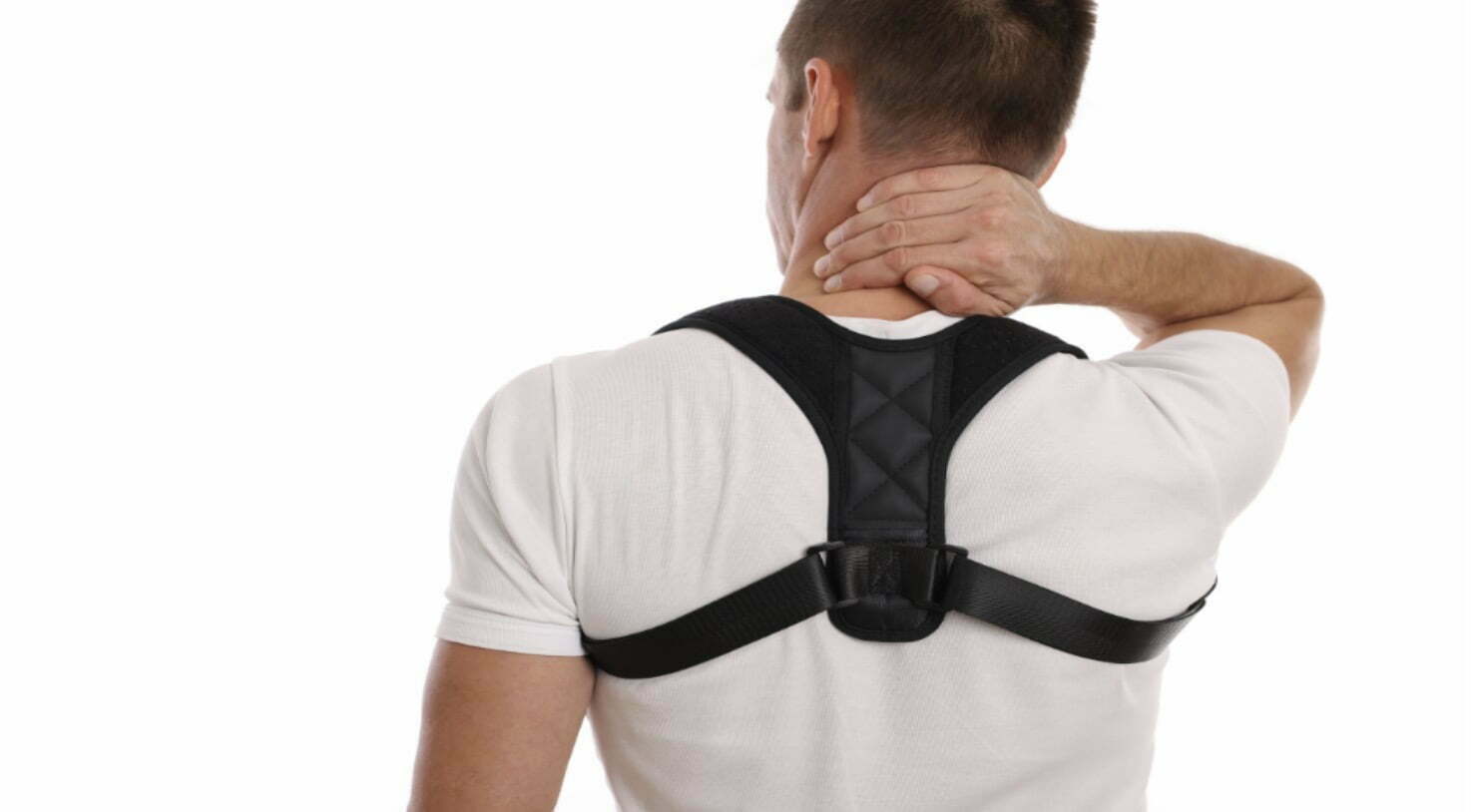
We’ve all heard the command to “sit up straight,” but maintaining that position is easier said than done. Slumping over a laptop has become the modern standard, leading to a surge in back pain and rounded shoulders. Now this is where posture correction devices enter as trendy solutions that fix your form.
Let’s discover whether they are worth the hype!
5 Easy Signs You Actually Need a Back Posture Corrector Belt
Using a back posture corrector belt can be a useful tool to promote safe spinal/postural alignment. Here are five signs that you might need one:
1. You Frequently Slouch or Hunch:
If you notice your shoulders sloping forward or your upper back hunched while sitting, walking, or in selfies, this is a main sign of poor posture, often caused by weak back muscles.
2. Persistent Neck or Upper Back Pain:
A lingering aching in your neck, shoulders, and upper back (often called tech neck) stems from repetitive hours of looking down at phones or hunching over a laptop. The discomfort is a clear indication that you should incorporate a posture corrector support.
3. Low Energy and Constant Fatigue:
Slouching gradually compresses your lungs and limits oxygen intake. If you often feel drained or exhausted without much physical activity, it could be because your body is expending extra energy to compensate for poor posture throughout the day.
4. Stiffness After Sitting or Standing:
Experiencing severe back stiffness or a dull ache when getting up from a desk or after long periods of standing may mean your muscles are overstretched. Use a posture corrector belt to support your spine and achieve a safe sitting posture.
5. Reduced Mobility or Flexibility:
You feel stiff, with a limited range of motion in your shoulders and back, making it harder to move freely.
Do Posture Correction Devices Actually Work?
Absolutely! Posture corrector devices effectively work. Here’s how:
- Physical Alignment: Devices pull the shoulders back and align the spine, relieving pressure on overstretched upper back muscles.
- Proprioception and Awareness: They act as a reminder, letting you know when you are slouching so you can consciously adjust.
- Reduced Strain: By encouraging better alignment, they can reduce discomfort associated with “tech neck” and desk work.
Benefits of a Posture Corrector Belt for Ladies
Wearing a posture corrector for women provides the following benefits:
- Reduces Back, Neck, and Shoulder Pain: Aligns spine and pulls shoulders back, easing muscle strain from slouching or sitting.
- Retrains Muscles for Long-Term Health: Guides muscles into safe posture so the body gradually remembers upright alignment even without support.
- Supports Post-Pregnancy and Injury Recovery: Offers core and back immobilization after childbirth, C-sections, or minor spinal strain during healing.
- Prevents Slouching and Hunching: Keeps shoulders back and chest open, correcting habitual desk and everyday posture problems.
- Increases Energy Levels and Comfort: Proper alignment improves breathing, reduces fatigue, and enhances overall daily comfort and endurance.
How Long Does It Take to See Results with a Posture Belt?
Most individuals notice subtle improvements in their posture within 2–3 weeks of wearing it every day, and after 2–3 months of regular wear and exercise, the changes become more obvious and last longer. The belt can help you with instant alignment, but it often takes 3 months or more of regular use to build muscle strength.
Can a Posture Corrector Help with Headaches?
Of course, incorporating a posture corrector into your routine may help manage headaches by:
- Reducing Forward Head Strain: Maintains head alignment over the shoulders, protecting neck muscles from overuse.
- Relieving Muscle Tension: Restricts overworking of neck and upper back muscles.
- Correcting Spinal Alignment: Keeps the upper back straight for proper head and shoulder posture.
- Increasing Posture Awareness: Reminds you to keep an upright posture, addressing the root cause over time.
Do Men Need Posture Corrector Belts for Office and Gym Use?
Of course, a posture corrector belt for men should be incorporated into a gym or office routine. Here’s why.
Office Use:
- Reduces Strain: Gently pulls shoulders back to ease neck, shoulder, and upper back tension from long desk hours.
- Posture Reminder: Alerts you when slouching, retraining muscle memory.
- Boosts Energy and Focus: Opens the chest for better breathing and reduces posture-related fatigue.
Gym Use:
- Injury Prevention: Keep the right form when doing squats and deadlifts.
- Muscle Balance: Activates underused back stabilizers to counter overactive chest muscles.
- Rehab Support: Prevents harmful compensatory postures during recovery.
- Efficient Movement: Ensures even strain distribution, enhancing strength and performance.
How Long Should You Wear a Posture Corrector Belt Each Day?
Confirm with your doctor how many hours you can wear a back posture corrector belt. Here’s why duration matters
- Prevents Dependency: When worn too frequently, the brace can cause your back muscles to become reliant and lose strength.
- Allows Muscle Training: Short, consistent sessions train your muscles to preserve proper alignment on their own.
- Reduces Skin Irritation: Wearing it too long can lead to chafing, redness, or rashes.
- Boosts Effectiveness: Using the belt together with strengthening exercises (e.g., planks, shoulder blade squeezes) ensures better results than relying on it alone.
Common Mistakes When Wearing a Back Posture Corrector Belt
These are the top 8 common mistakes made when wearing a back support or posture corrector belt:
- Wearing it for too long: Resulting in muscle atrophy and dependency.
- Overtightening the straps: Restricting blood circulation and causing irritation.
- Using it as a sole solution without exercises.
- Incorrect sizing: Not measuring chest or waist properly.
- Wearing it over bare skin: Causing chafing or rashes.
- Sleeping in the brace: Impairing movement and breathing.
- Poor positioning: Wearing the brace too high or too low.
- Ignoring pain: Continuing work despite sharp pain or numbness.
Conclusion
Posture correctors do work, but their effectiveness depends entirely on how you use them. They serve as excellent reminders to stop slouching and can alleviate persistent tension. However, to achieve lasting results, you must avoid dependency and prioritize active muscle engagement.