

Although there are many journeys of 14 days or extra, the magic number right here is that slightly shorter 12-day model. This brief trek takes making plans and a rigorous acclimatization agenda; however rewards in spades with time saved for the tenacious hiker. This journey begins by means of flying to Lukla, stated to be the end of the runway for infinite climbers. The preliminary trails meander through dense rhododendron and pine wooded area with many picturesque suspension bridges to appear up at (draped in prayer flags), whisking maximum hikers from ordinary mundanity at once into the raw splendor and serenity of Sagarmatha National Park. This first dive quickly unites both a bodily non-secular tone for the strenuous ascent ahead, and allows to acclimate body and soul to acclimate to thin air and stunning views.
Focusing On The Climb: Acclimatization Essential Stopping Off Points
On the EBC trek, you don’t win points for speed; it’s all about getting up to that altitude. Twelve days is just safe, following the “climb high, sleep low” rule and with its all-important rest days. The trail first climbs through forests of pine, cedar, and rhododendron around the valley side to Namche Bazaar, (3,440 m 11,286 ft) a remarkably colorful bazaar that is an ancient trading post where are cross from China into Nepal or vice versa en route! During farming seasons, surrounded on three sides by mountain ranges and open only where it faces the snowcapped mountains. Two nights in succession are here required, not for the Repose which rest may give, but that this acclimatizing process may be actively at work. Its trekkers pass on a sequence of quick, altitude-gaining hikes to viewpoints like that on the Everest View lodge (3,880 meters), stressing but no longer depleting the body simply earlier than having it descend to a lower elevation for relaxation.
There’s a 2d mandatory acclimatization day at Dingboche (4,410 m / 14,469 ft). By now, the terrain is very Alpine. Dingboche also makes for a good place to acclimate before getting up higher, which you would not properly do above 5,000 meters, so the changes in your body can be there when they are really needed on the push to Lobuche and Gorak Shep. These acclimatization days provide nonnegotiable insurance against AMS, and they’re what make a 12-day itinerary possible — and also safe.
Everything on Fitness and Getting Ready: The hard stuff
Intermediate fitness levels are minimal for completion of a short 12-day trek to the EBC Trekking. No rest days are built in, and this schedule has more hours of hiking per day; a perfect cardiovascular condition is a must. It requires specific preparation to be properly ready months in advance, with long-distance walking, hill repeats, and intervals to mimic the toughness of it. At high altitude, where oxygen is already at around half of what you would get on sea level at base cam., conditions will hit a weak (in terms of physical state) body very hard. She also believes mental strength is important — the trek is a marathon, not a sprint. Preparation makes the difference between being challenged and tested, or a fight to the death.
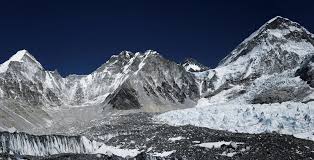
It feels just like a monument to human ambition, an otherworldly tent town for the duration of mountain climbing season, with unobstructed views of the Khumbu Icefall. But, the real panorama of Mount Everest definitely exists from the near-through vantage point of Kala Patthar (5,550 m / 18,208 ft). The early morning trek to Kala Patthar is probably the toughest part of your whole journey; however, it has the conventional view of Everest (and Lhotse and Nuptse) at sunrise in golden glory – perhaps the single greatest reward.
THE LOGISTICS: Guides, Porters, and Gear
Twelve days is only enough time for a successful and smooth trek if your logistics are spot on. This is not only convenient, but very necessary – an experienced and licensed Nepali guide. They cope with accommodations, they maneuver through the complicated trail, and, most significantly, they keep an eye out for symptoms of altitude illness. Porters do the maximum of the heavy work, so you can go at a quick itinerary speed (if preferred). Quality, well-layered gear is mandatory. That’s things like trusty, broken-in hiking boots and a way to layer all of your clothing (bamid, m, id and shell) as well as the zero-degree sleeping bag for when you’re up in high-altitude tea houses trying to warm up.
Safety first: Mind your trek leader, respect the altitude.
Safety on the EBC route is all about acclimatization, keeping talking. Trekkers should be climbing at a slow technical level and behind their guide. These are things that I know are routine to some; regular checking my O2 sat with a pulse oximeter. If you have had a lousy headache that won’t go away in conjunction with nausea or dizziness, then this is an easy indication of AMS. The first and only hard-and-fast rule is to make a rapid descent when extreme symptoms present themselves. An experienced guide is a moral compass and aids in making that quick decision, which may be required when saving someone’s life. It means activating the helicopter for an emergency evacuation (very expensive but sadly part of climbing Everest Base Camp and why you will need Specialized Travel Insurance) each year. Good hydration and high carbohydrate meal consumption have been recommended for prevention (around 4–5 l/da,y) with large amounts of water to drink compared with high carbohydrate me.
Economic Realities: The Price of the Adventure to Come
The cost of doing the EBC trek can vary dramatically, with prices starting from around $1,500 (very basic service only) and going to in excess of $5,000 for high-end feature packages that will often include upmarket lodges and chartering helicopters. Most importantly, the headline package seldom represents all of the spending. You also need to budget the Lukla Flights, Permits, Insurance (it’s a must – it covers helicopter rescue), and daily other spending such as charging for phone ($5-$10), wifi access, and tipping your guide/porter. And better for the thpocketbookok not to be dealing with added trial stresses!
Final Conclusion
The 12 Days Everest base camp trek is a difficult and unforgettable, high-altitude experience. It’s a hard, immersive proposition with an up close and personal look at some of the planet’s most dramatic mountain scenery, as well as Sherpa culture. What success on that condensed timetable is the result of fitness, a safe pace, and never violating the soundest principles of acclimatization in towns such as Namche Bazaar and Dingboche. This is anything but a hike; it’s the hike of your life and the trip to discover yourself at the roof of the world.
