

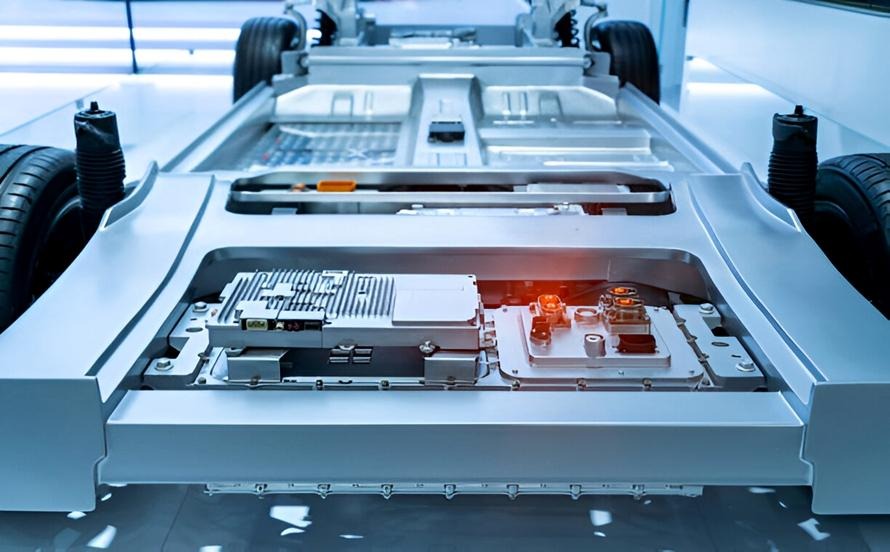
The automotive industry has undergone a remarkable transformation over the past decade. Modern vehicles are no longer just mechanical machines; they are intelligent electronic systems equipped with advanced safety features, infotainment systems, navigation, electric powertrains, and autonomous driving technologies. At the core of these innovations is the Automotive PCB, a specialized printed circuit board designed to withstand harsh operating conditions while ensuring reliable electronic performance.
Automotive PCBs support critical vehicle functions, including engine management, battery monitoring, braking systems, lighting, communication networks, and driver assistance technologies. Unlike standard PCBs used in consumer electronics, these circuit boards must operate reliably under extreme temperatures, constant vibration, humidity, dust, and continuous mechanical stress. As vehicles become increasingly connected and electrified, the demand for durable and high-performance automotive PCBs continues to rise.
Manufacturing these specialized circuit boards requires advanced engineering, strict quality standards, and highly controlled production processes. Choosing an experienced Automotive PCB manufacturer helps automotive companies achieve dependable performance, regulatory compliance, and long-term product reliability.
This article explores the importance of automotive PCBs, their manufacturing process, advantages, applications, and the key factors that make selecting the right manufacturing partner essential.
What Is an Automotive PCB?
An Automotive PCB is a printed circuit board specifically designed for use in automobiles and commercial vehicles. It serves as the electrical foundation for numerous electronic control systems by connecting processors, sensors, communication modules, power circuits, and other electronic components required for vehicle operation.
Depending on the application, automotive PCBs may be manufactured as single-sided, double-sided, multilayer, flexible, rigid-flex, or metal-core circuit boards. The board design is selected according to the electrical, mechanical, and thermal requirements of the vehicle system.
Automotive PCBs must withstand continuous exposure to vibration, temperature fluctuations, moisture, chemicals, and electrical noise without compromising performance. Their construction often incorporates high-quality laminate materials, robust copper structures, and specialized surface finishes that improve durability and reliability.
Because many automotive electronic systems perform safety-critical functions, these circuit boards are manufactured to much stricter standards than conventional commercial PCBs.
Why Automotive PCBs Are Important
Today’s vehicles rely heavily on electronic systems to improve safety, efficiency, comfort, and environmental performance. Every major vehicle function depends on reliable communication between sensors, processors, actuators, and control units, all of which are connected through automotive PCBs.
A properly designed Automotive PCB ensures stable signal transmission, efficient power distribution, and reliable communication between electronic modules. It also minimizes electromagnetic interference, helping complex vehicle systems operate accurately even in electrically noisy environments.
Thermal management is equally important because automotive electronics often operate near engines, batteries, or power conversion systems where temperatures can become extremely high. Optimized PCB layouts and appropriate materials help dissipate heat efficiently, protecting sensitive components and extending product lifespan.
As electric vehicles, connected cars, and autonomous driving technologies continue to evolve, automotive PCBs have become increasingly important for ensuring safe and reliable vehicle performance.
The Automotive PCB Manufacturing Process
The manufacturing process begins with a detailed Design for Manufacturability (DFM) review. Engineers evaluate the PCB layout, material selection, thermal requirements, copper thickness, component placement, and manufacturing tolerances to ensure the design meets automotive reliability standards.
Circuit patterns are transferred onto copper-clad laminate using precision photolithography before chemical etching forms the required conductive pathways. For multilayer automotive PCBs, individual layers are carefully aligned and laminated under tightly controlled pressure and temperature conditions.
Precision drilling creates holes for vias and component mounting, followed by copper plating to establish reliable electrical connections between layers. The boards then receive solder mask coating, silkscreen printing, and suitable surface finishes that enhance solderability and corrosion resistance.
Throughout production, manufacturers maintain strict quality control because automotive PCBs require exceptionally high manufacturing accuracy. Every completed board undergoes comprehensive inspection and electrical testing before shipment to ensure reliable performance in demanding vehicle environments.
Advantages of Automotive PCB Technology
One of the primary advantages of an Automotive PCB is its exceptional durability. These circuit boards are designed to withstand harsh environmental conditions including vibration, shock, humidity, dust, and extreme temperatures that are common during vehicle operation.
Reliable electrical performance is another major benefit. Automotive PCBs provide stable signal transmission and consistent power delivery, ensuring critical vehicle systems function accurately under all operating conditions.
Advanced thermal management further improves reliability by efficiently dissipating heat generated by processors, power electronics, and communication modules. This helps maintain component performance while reducing the risk of overheating.
Automotive PCBs also support compact electronic designs by allowing engineers to integrate multiple functions into smaller control modules. This contributes to reduced vehicle weight, improved fuel efficiency, and more flexible system integration.
These characteristics make automotive PCBs indispensable for today’s increasingly sophisticated vehicles.
Applications of Automotive PCBs
Automotive PCBs are used throughout nearly every electronic system within modern vehicles. Engine control units rely on these circuit boards to monitor engine performance, optimize fuel injection, and manage emissions control systems.
Electric vehicles incorporate automotive PCBs in battery management systems, onboard chargers, power inverters, motor controllers, and charging infrastructure where efficient power management is essential.
Advanced Driver Assistance Systems (ADAS) depend on automotive PCBs for radar sensors, cameras, ultrasonic sensors, LiDAR modules, and central processing units that enable features such as adaptive cruise control, automatic emergency braking, and lane-keeping assistance.
Infotainment systems, digital instrument clusters, navigation units, climate control systems, lighting controllers, airbag modules, transmission controllers, and vehicle communication networks also rely on high-quality automotive circuit boards.
Commercial vehicles, agricultural machinery, construction equipment, motorcycles, and electric mobility solutions further demonstrate the broad range of applications supported by automotive PCB technology.
Why Choosing an Experienced Automotive PCB Manufacturer Matters
Manufacturing automotive circuit boards requires specialized expertise, advanced production capabilities, and strict compliance with automotive quality standards. An experienced Automotive PCB manufacturer understands the demanding performance requirements associated with safety-critical vehicle electronics.
Professional manufacturers work closely with customers during product development by reviewing PCB layouts, material selection, thermal performance, manufacturing tolerances, and assembly requirements before production begins. This collaborative approach helps optimize both product reliability and manufacturing efficiency.
Modern manufacturing facilities equipped with laser direct imaging, automated optical inspection, precision drilling systems, X-ray inspection, electrical testing equipment, and intelligent manufacturing systems ensure consistent quality throughout every production stage.
Experienced manufacturers also maintain complete process traceability and rigorous documentation, which are essential for automotive supply chains and regulatory compliance.
Partnering with a knowledgeable manufacturer helps reduce production risks while improving long-term product reliability.
Quality Assurance in Automotive PCB Manufacturing
Quality assurance is one of the most important aspects of automotive PCB production because electronic failures can directly affect vehicle safety and performance. Manufacturers inspect incoming materials before monitoring every stage of fabrication to maintain strict process consistency.
Automated Optical Inspection identifies fabrication defects such as open circuits, short circuits, incorrect trace dimensions, and missing copper features. X-ray inspection evaluates hidden solder joints, multilayer alignment, and plated vias that cannot be visually inspected.
Electrical testing verifies circuit continuity, insulation resistance, and functional performance before shipment. Additional reliability evaluations often include thermal cycling, vibration testing, humidity testing, mechanical stress analysis, solderability testing, and environmental durability assessments to ensure dependable long-term operation.
Leading manufacturers comply with internationally recognized standards such as ISO 9001, IPC standards, UL certification, IATF 16949 for automotive quality management, and RoHS compliance. These certifications demonstrate their commitment to producing reliable automotive PCBs that meet the strict requirements of the global automotive industry.
Conclusion
The Automotive PCB has become one of the most critical components in modern vehicles, enabling the reliable operation of engine management systems, electric vehicle technology, safety electronics, infotainment platforms, and advanced driver assistance systems. Its ability to withstand harsh environmental conditions while delivering stable electrical performance makes it essential for today’s increasingly sophisticated automotive industry.
Choosing an experienced Automotive PCB manufacturer provides access to advanced engineering expertise, precision manufacturing technologies, and comprehensive quality assurance processes. As vehicles continue to become smarter, safer, and more connected, high-quality automotive PCBs will remain the foundation of reliable automotive electronics and future transportation technologies.
