

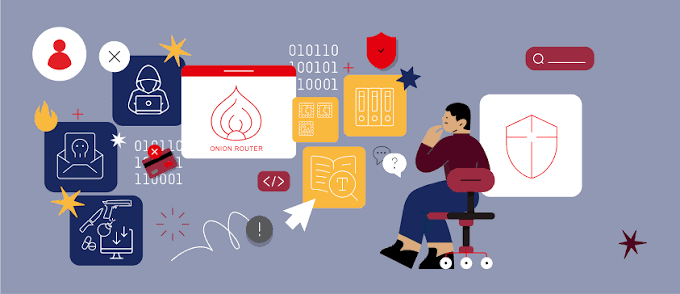
The internet has created countless opportunities for communication, commerce, and innovation. However pepeshop, it has also enabled criminal networks to operate across hidden digital spaces. One of the most persistent threats in this environment is carding, a form of cybercrime involving the misuse of stolen payment-card information.
The term “pepecard” is often discussed in connection with the broader underground carding economy. While individual platforms and services may change over time, the underlying cybersecurity risks remain consistent. Understanding how carding ecosystems work, why stolen payment information is valuable, and how individuals and businesses can reduce their exposure is essential in the modern digital economy.
What Is Carding?
Carding generally refers to the unauthorized use, trade, or exploitation of stolen payment-card information. Criminals may obtain payment data through data breaches, phishing attacks, malware, skimming devices, or compromised online accounts.
The stolen information may then be used in fraudulent transactions or circulated through underground criminal networks.
It is important to understand that carding is not simply a single type of attack. It is part of a broader ecosystem involving data theft, credential compromise, fraud, and the resale or misuse of stolen information.
Understanding the Role of Pepecard
Pepecard is commonly referenced in discussions about underground carding activity and the wider market for compromised payment information. The broader issue is the existence of criminal ecosystems where stolen financial data can be exchanged and used for fraudulent purposes.
These ecosystems demonstrate how a single security incident can create long-term consequences. Payment information stolen during a breach may be used immediately, sold to another criminal, or combined with other personal information for more sophisticated fraud.
The specific names, platforms, and methods used by cybercriminals can change, but the fundamental risk remains: sensitive payment information can become a valuable target.
How Payment-Card Information Is Compromised
There are several common ways payment information can be exposed.
Data Breaches
A cyberattack against a retailer, financial service, or other organization may expose payment-related information. Large breaches can affect thousands or millions of individuals.
Phishing
Attackers may create fake websites, emails, or messages designed to trick people into revealing payment information. These scams often imitate legitimate companies or financial institutions.
Malware
Certain types of malicious software can capture information entered into websites or stored on compromised devices.
Payment Skimming
Criminals may use physical or digital skimming techniques to capture payment information during transactions.
Compromised Online Accounts
If an online shopping account or payment account is taken over, attackers may gain access to stored payment details or use the account for fraudulent activity.
Why Stolen Payment Data Is Valuable
Payment information is attractive to cybercriminals because it can potentially be used for unauthorized transactions and financial fraud.
However, payment-card data is only one part of the broader information economy. Criminals may also seek:
- Personal identification details
- Email addresses
- Phone numbers
- Account credentials
- Authentication information
- Billing information
When multiple types of information are combined, the potential for fraud and identity theft can increase significantly.
The Connection Between Carding and Data Breaches
Data breaches and carding activity are closely connected. A breach may expose sensitive information, while underground criminal networks can provide channels for that information to be distributed or misused.
This creates a chain of events:
- Sensitive information is exposed.
- Criminals obtain or collect the information.
- The data may be organized or exchanged.
- Fraudsters attempt to use the information.
- Victims and businesses experience financial or operational consequences.
The longer stolen information remains active, the more opportunities there may be for misuse.
Cybersecurity Risks for Individuals
Individuals can face several risks when payment information is compromised.
Unauthorized Transactions
Stolen card details may be used for fraudulent purchases or other unauthorized activity.
Identity Theft
Payment information may be combined with personal details to impersonate victims.
Account Takeovers
If attackers obtain login credentials alongside payment information, they may attempt to take over online accounts.
Follow-Up Scams
After a breach, criminals may send targeted phishing messages that appear to come from banks, retailers, or security providers.
For this reason, individuals should remain cautious even after replacing a compromised card.
Cybersecurity Risks for Businesses
Businesses can also face significant consequences from carding-related activity.
Companies may experience:
- Financial losses
- Chargebacks and fraud-related costs
- Customer complaints
- Operational disruption
- Reputational damage
- Regulatory consequences
- Increased cybersecurity expenses
A payment-data incident can affect more than a single transaction. It can damage customer trust and create long-term costs for an organization.
How Businesses Can Reduce Carding-Related Risks
Organizations should use multiple layers of protection to reduce the likelihood and impact of payment-data compromise.
Use Strong Access Controls
Employees should only have access to the systems and information required for their roles.
Protect Sensitive Information
Payment and personal data should be protected through appropriate security controls, including encryption where appropriate.
Monitor Suspicious Activity
Unusual transactions, login attempts, and account behavior should be investigated promptly.
Use Multi-Factor Authentication
Multi-factor authentication can help protect administrative accounts and other sensitive systems.
Train Employees
Employees should understand phishing, social engineering, password security, and safe handling of sensitive information.
Maintain Updated Systems
Security patches and software updates can reduce the risk of attackers exploiting known vulnerabilities.
How Individuals Can Protect Their Payment Information
Consumers can also take practical steps to reduce their exposure.
Monitor Financial Accounts
Regularly review account activity and report suspicious transactions quickly.
Use Strong, Unique Passwords
Avoid reusing passwords across multiple accounts.
Enable Multi-Factor Authentication
Where available, multi-factor authentication can add an additional layer of protection.
Be Careful With Payment Requests
Do not provide payment details through suspicious links, unexpected messages, or unverified websites.
Use Secure and Trusted Services
Before entering payment information, verify that the website or service is legitimate.
Keep Devices Updated
Security updates can help protect devices against known vulnerabilities.
Why the Dark Web Is Often Associated With Carding
The dark web is frequently associated with cybercrime because some hidden online communities and marketplaces have historically been used to discuss or exchange illicit goods and services.
However, the broader cybersecurity concern extends beyond the dark web itself. Stolen data can move across many channels, including private groups, encrypted communications, criminal forums, and other online environments.
This means that focusing on a single platform or hidden marketplace does not fully address the problem. Effective cybersecurity requires protecting information before it is stolen and responding quickly when exposure occurs.
What to Do If Payment Information Is Compromised
If someone believes their payment information may have been exposed, they should act quickly.
Recommended steps include:
- Contact the relevant financial institution or card provider.
- Review recent transactions for suspicious activity.
- Follow official procedures for replacing compromised payment credentials.
- Change passwords if the affected account is connected to online services.
- Enable multi-factor authentication where possible.
- Be cautious of phishing messages that reference the incident.
- Monitor accounts for additional suspicious activity.
Businesses should also follow their internal incident-response procedures and investigate the source of the exposure.
The Importance of Prevention
Preventing payment-data theft is generally more effective than responding after information has already been compromised.
Organizations should treat cybersecurity as an ongoing process rather than a one-time project. Regular risk assessments, employee education, system monitoring, access controls, and security updates all contribute to stronger protection.
Individuals also play an important role by using strong passwords, recognizing suspicious communications, and monitoring their accounts.
Final Thoughts
Pepecard is best understood within the broader context of the underground carding economy and the cybersecurity risks associated with stolen payment information. The names and platforms connected to cybercrime can change, but the underlying threat remains persistent.
Data breaches, phishing attacks, malware, and weak security practices can all contribute to the exposure of sensitive financial information. Once compromised, that information may create risks for both individuals and businesses.
The best defense is a proactive approach to cybersecurity. Strong authentication, careful data handling, secure systems, regular monitoring, and user awareness can all help reduce the risk of payment-data theft.
As digital payments continue to grow, protecting financial information will remain a central part of cybersecurity. Understanding the risks behind carding ecosystems is an important step toward building safer online habits and more resilient digital businesses.
