

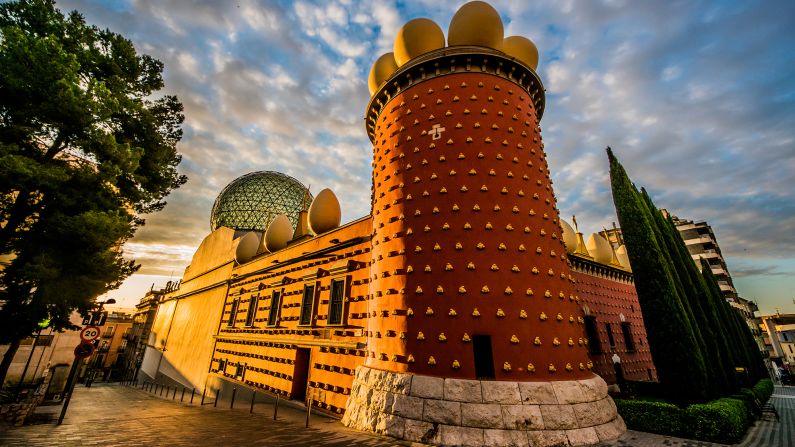
When people plan a trip to Europe, they usually think of major art galleries and famous history museums. Yet scattered through the continent are smaller institutions that tell different stories. Some travelers browsing cultural websites—or even stumbling across unrelated topics such as ganesha fortune slots—might find that cities often hold museums dedicated to very narrow subjects. These places don’t compete with the big names but add depth to how we understand European life.
What Makes a Museum “Unusual”
In many cases, these museums grow out of local initiatives rather than national programs. Someone collects old tools, photographs, or documents from a fading trade and turns them into a public display. Others appear when a city decides to preserve a specific aspect of its culture—textiles, printing, or even sanitation. The result is a kind of museum that doesn’t fit the usual category of art or archaeology.
Calling them “unusual” is not about oddity alone. It’s about focus. A museum that looks at a single craft or neighborhood might seem small, but it holds detailed information that larger institutions rarely include. It’s a way of recording what daily life used to look like before cities became what they are now.
How These Museums Fit Into Urban Culture
European cities have long histories. Industrial changes, migration, and modernization often erase traces of earlier life. Small museums play a quiet role in keeping those traces visible. They may not draw crowds, but they record how people once worked, learned, or socialized.
In some industrial areas, for instance, you’ll find museums about mining or manufacturing. Others focus on maritime history or local crafts. They remind visitors that cities are built not only by planners but by the routine actions of workers, families, and small businesses.
In recent years, many of these museums have also become places for community events. Local residents volunteer, curate, or donate materials. For them, the museum is less about tourism and more about continuity—keeping a record of the city’s own voice.
Why Visitors Seek Them Out
People visit these museums for different reasons than they go to large institutions. They’re often looking for context rather than spectacle. A traveler might want to understand why a neighborhood developed a certain way, or what kind of work supported a local economy decades ago.
Smaller museums usually allow visitors to move at their own pace. There’s no pressure to see everything. Some have old records or letters that offer direct evidence of how people thought and lived. That sort of raw material is rare in big, curated spaces.
In that sense, visiting an unusual museum feels less like observing culture from a distance and more like reading it from within. The experience depends less on design and more on attention.
The Economics Behind Small Museums
Running a small museum is not easy. Most depend on local funding or volunteer labor. Few charge high entry fees, and many survive only through grants or municipal support. Despite that, they can have measurable effects on tourism.
A small museum draws a different kind of visitor—someone willing to stay longer, spend locally, and explore beyond main attractions. This helps smaller European cities spread tourism revenue more evenly. The cost of maintaining such institutions is also lower than large museums, which makes them sustainable if managed carefully.
Some cities now include these museums in broader urban plans. Rather than seeing them as marginal, they view them as ways to balance cultural heritage with economic goals. The data they collect—on local production, crafts, or migration—can even support education and planning.
What These Museums Reveal About Europe
Looking at these museums together tells us something about Europe itself. Across different languages and borders, the subjects they cover often overlap: food, work, migration, and technology. They reflect how people adapted to industrial change and how urban culture evolved.
They also show a certain European tendency to preserve. Even when old industries vanish, the tools and stories remain. The small museums become informal archives of resilience. They record not the triumphs of empires but the continuity of ordinary lives.
This perspective matters. In an age of rapid change, these places remind us that culture is not only about art or politics—it’s about the systems that supported daily existence.
The Digital Shift and Its Risks
Some unusual museums are now digitizing their collections. They post images of old documents, scanned photos, or virtual tours online. This extends access but also raises a question: will digital copies reduce the need for physical visits?
For many curators, the physical space still matters. Standing in a former workshop or an old classroom gives a sense of material history that screens cannot replicate. The sound of creaking floors or the smell of old wood communicates more than text or video. The risk is that without local engagement, even digital archives lose their grounding.
Why They Matter Today
Unusual museums may seem minor compared to national galleries, but they hold social and historical value. They show how small-scale memory supports identity. When people can trace how their city evolved, they gain a clearer sense of belonging.
For visitors, these museums provide a slower, more reflective kind of tourism. Instead of rushing between famous landmarks, one can spend an hour in a room full of small objects and learn how ordinary people once lived. That may not sound impressive, but it’s one of the most direct ways to connect with history.
Conclusion
Across European cities, unusual museums exist in quiet corners. They tell stories that don’t make it into textbooks or travel brochures. Each one is a fragment of memory—of work, struggle, invention, or daily routine.
As Europe continues to change, these institutions become more than cultural sites. They are tools for understanding how cities evolve and how people preserve meaning in the process. Visiting them is not only about seeing something different; it’s about listening to what ordinary history still has to say.
